
Germany Interprets U.S. Move as Pressure on Iranian Ports
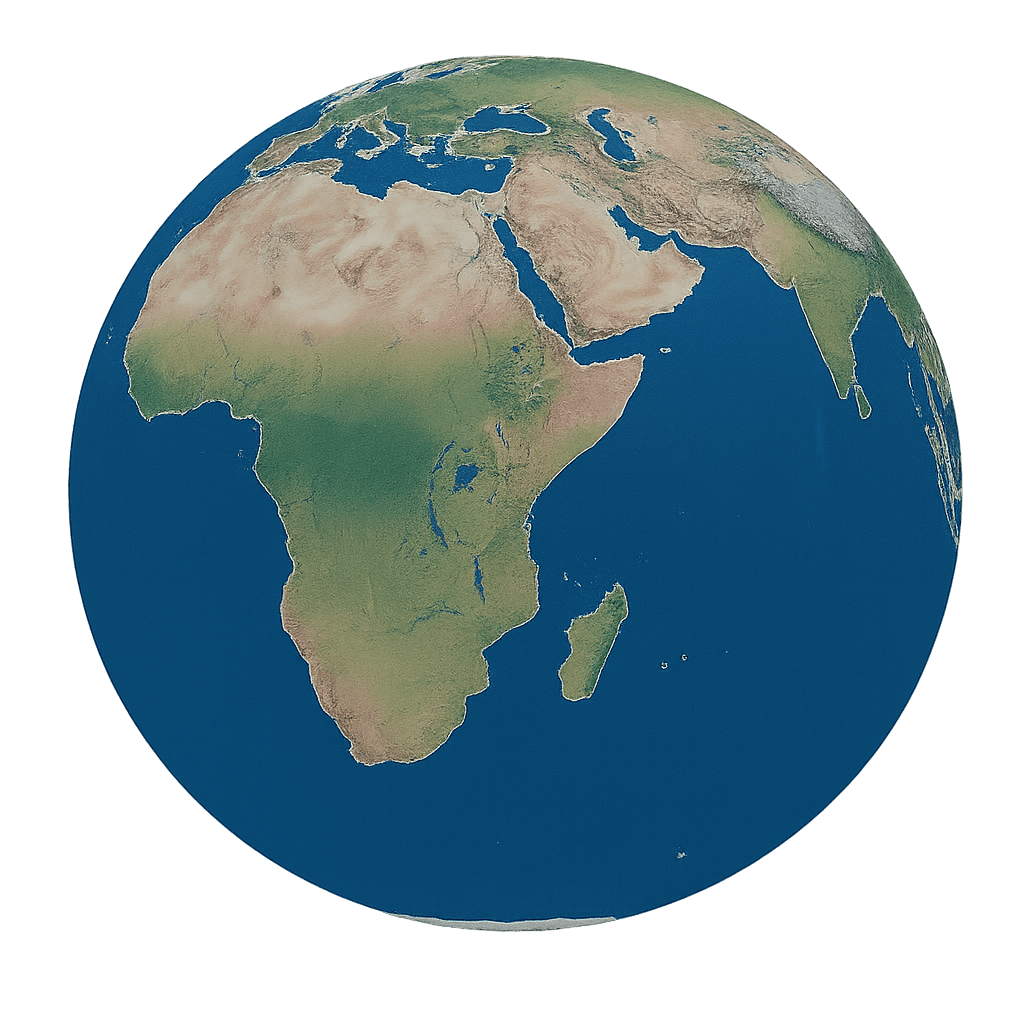
“The Strait of Hormuz, or the so-called blockade, as you call it, does not mark the end of this diplomatic process; we interpret it as a move to increase the pressure,” government spokesperson Stefan Kornelius explained while addressing journalists in Berlin. His remarks suggested that Germany sees the development as part of a broader strategy to intensify leverage rather than a final escalation.
Kornelius further noted that Berlin’s assessment relies on a communication issued by the U.S. Central Command, commonly known as CENTCOM, which “does not speak of a blockade of the Strait of Hormuz, but rather of a blockade of Iranian ports.” This distinction, he emphasized, is central to Germany’s interpretation of the situation.
He also described the strategic waterway as seemingly functioning as “a kind of bargaining chip” for both parties involved, indicating its importance in ongoing negotiations and geopolitical maneuvering.
According to Kornelius, the German administration is actively pursuing diplomatic avenues, “making every effort to use this newly mounting pressure through diplomatic channels to achieve de-escalation,” highlighting Berlin’s commitment to easing tensions through dialogue.
Meanwhile, U.S. President Donald Trump declared that a blockade targeting Iranian ports would be implemented starting at 1400 GMT on Monday, signaling a significant step in the unfolding situation.
Legal Disclaimer:
MENAFN provides the
information “as is” without warranty of any kind. We do not accept
any responsibility or liability for the accuracy, content, images,
videos, licenses, completeness, legality, or reliability of the information
contained in this article. If you have any complaints or copyright
issues related to this article, kindly contact the provider above.
Legal Disclaimer:
EIN Presswire provides this news content "as is" without warranty of any kind. We do not accept any responsibility or liability for the accuracy, content, images, videos, licenses, completeness, legality, or reliability of the information contained in this article. If you have any complaints or copyright issues related to this article, kindly contact the author above.
